Turn Your Board Into a Funding Engine in 14 Days
Whether you need to build it, strengthen it, or activate it, we install the structure that gets your board giving and working with you to raise money immediately.
In the nonprofit world, everything rises and falls on leadership.
And it is your board’s responsibility to ensure your organization is adequately funded.
That is not an opinion. It is governance.
But that statement means nothing if you do not know how to get your board to give, open doors to the people and businesses already in their network, and work with you to build your organization’s fundraising engine.
Most founders are stuck doing the fundraising themselves.
Writing grants. Chasing donors. Organizing events.
While their board attends meetings.
That is not a funding system. That is pressure.
In 14 days, we change that.
Your board will:
- Create your fundraising strategy.
- Contribute financially.
- Identify people and businesses in their network aligned with your mission.
- Make introductions and set up meetings with people and businesses from their network.
- Go into those meetings with you to raise money.
Next, your board will work with you to:
- Build a simple fundraising team structure.
- Develop the outreach materials and scripts needed to execute.
- Install a daily execution rhythm through your team.
This is how your board becomes your funding engine.
This is how you build sustainable fundraising capacity from the ground up.
Not passive. Not symbolic. But operational.
When your board leads funding:
- Warm conversations happen.
- Corporate doors open.
- Major donors surface.
- The burden lifts from you.
And eventually:
- Your fundraising department goes live.
- You recruit a fundraising director.
- You step fully into leadership.
- You stop chasing money.
- You build.

Rooney really knows his stuff. He has helped my board rethink how we fundraise and even changed how we value ourselves and our services. He provides quick and well-thought-out fundraising plans that are easy to follow, giving us the tools and confidence to implement. Highly recommend!
Laura Anthony from Zero Waste San Diego
Work With Me
Choose Your Path Forward
1. Guided Implementation – $1,997
We work together to turn your board into a funding engine.
Whether you need to recruit, strengthen, or activate your board, we:
- Install your board-led fundraising strategy
- Secure board financial commitment
- Map board relationships
- Equip them to open doors and set meetings
- Guide you into funding conversations
- Install your initial execution structure
You leave with an activated board, a clear funding plan, and live fundraising momentum.
Self-Execution System – $197
Get the full Board-to-Funding Engine System.
Includes:
- Board recruitment framework
- Board activation structure
- Fundraising strategy templates
- Relationship mapping tools
- Outreach scripts
- Execution rhythm framework
Install it yourself and turn your board into a funding engine in 14 days.
If your board is not raising money, it is not activated.
If it is not activated, it is not structured.
And if it is not structured, you will continue carrying the burden alone.
Turn your board into a funding engine.
Start now.
I'm Rooney.
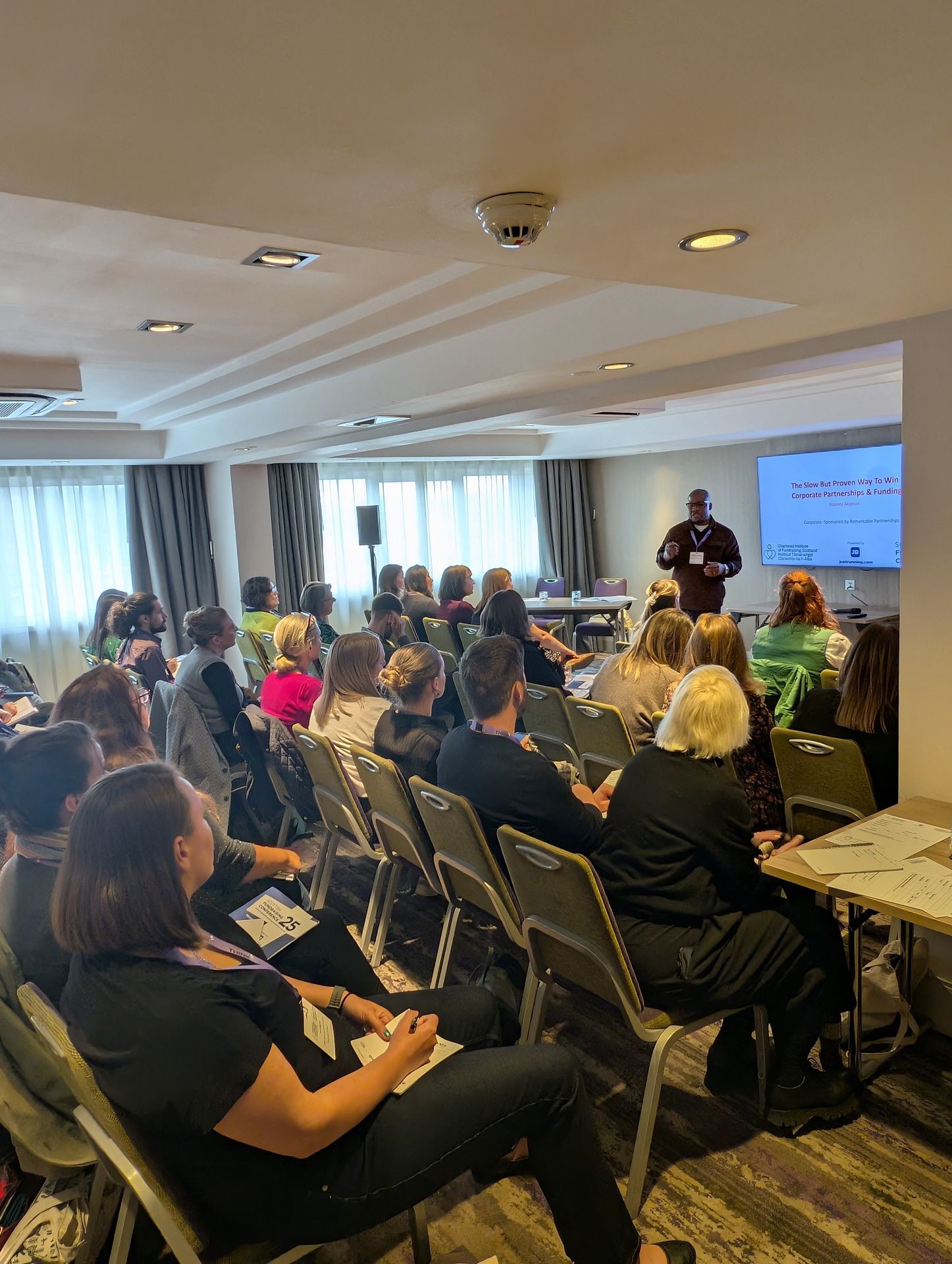
I've worked as a founder, board member, and fundraising consultant. I've contributed to raising over $5M in unrestricted funding. I've trained hundreds of founders across the US to move from chasing funding to attracting it consistently.
I know what breaks the system. I know exactly how to fix it.